
If you already have a Class B CDL, you’re closer than you think to unlocking higher-paying jobs. Upgrading from Class B to Class A allows you to access more job opportunities and significantly increases your earning potential.
In this guide, we’ll break down everything you need to know about the class B to class A CDL requirement, how the upgrade process works, and how the right training program can help you move up faster and with confidence.
Is The Class A CDL Upgrade Worth It?
The short answer is YES.
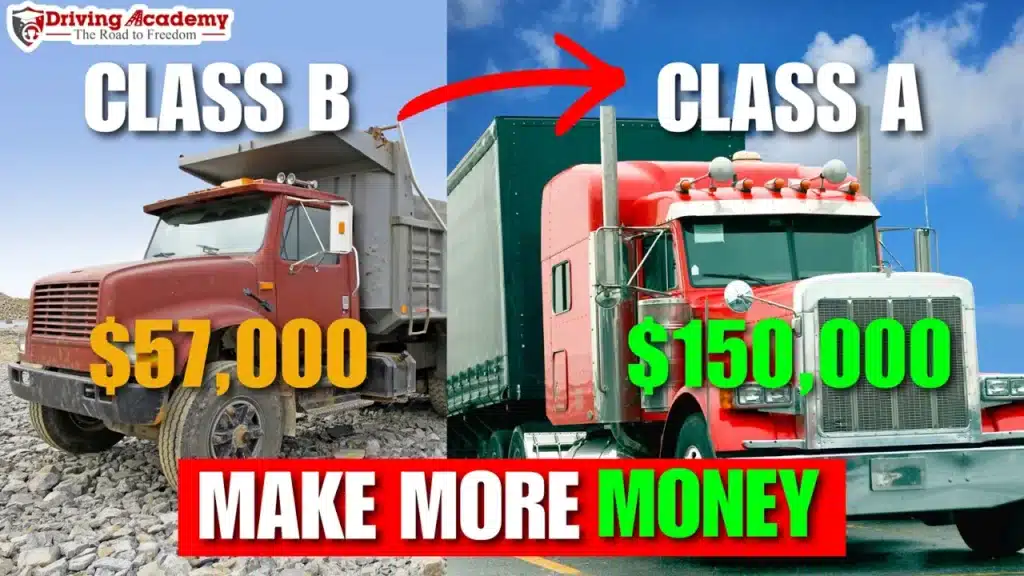
Upgrading from a Class B to a Class A CDL can be a game-changer. Nationwide pay data from ZipRecruiter shows that Class A drivers earn an average of $81,232 per year, compared to $61,974 annually for Class B drivers. More importantly, a Class A CDL unlocks access to specialized freight, long-haul routes, and owner-operator opportunities where top-performing drivers can generate gross revenues of $350,000 or more per year.

What’s The Difference Between A Class B And Class A CDL?
The difference between a Class B and a Class A CDL goes far beyond the type of vehicle you’re allowed to drive , it directly impacts how much you can earn, the jobs you qualify for, and how far your career can go.
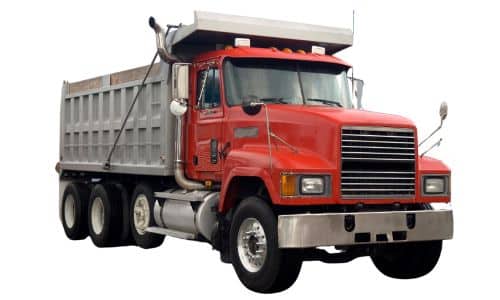
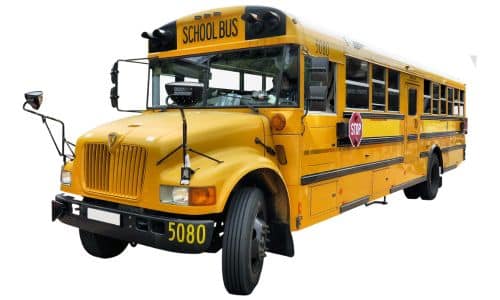
- Class B CDL : It limits you to single, heavy vehicles, such as dump trucks, box trucks, and buses. These jobs are often local and steady, but they typically come with a lower pay ceiling.
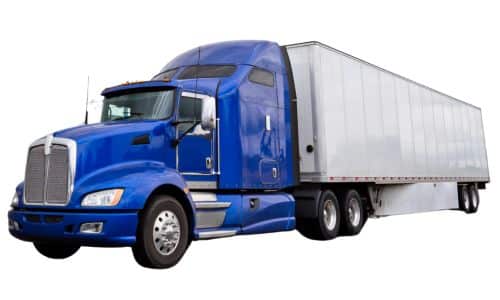
- Class A CDL: Class A on the other hand, allows you to operate combination vehicles, including tractor-trailers and rigs pulling heavy trailers. This upgrade immediately opens the door to long-haul, regional, tanker, and specialized freight positions , many of which offer higher pay, better benefits, and more room for career growth.
Class A Vehicles

Tractor-Trailers

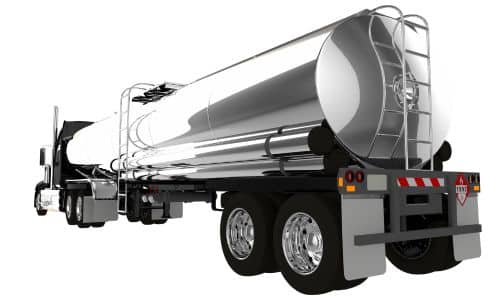
Tanker Trailers
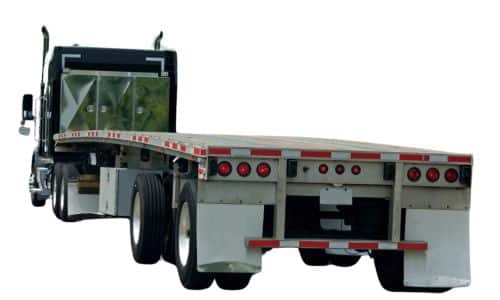
Flatbed Trailers
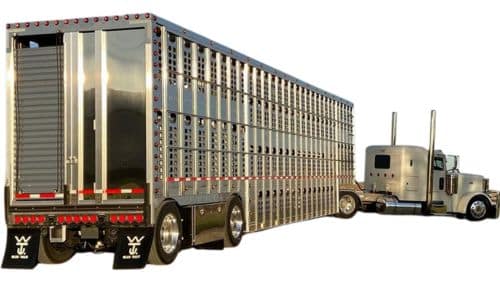
Livestock Carriers
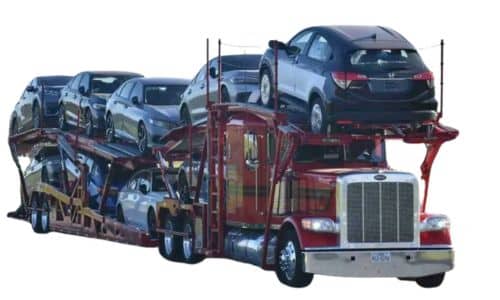
Car Transporters
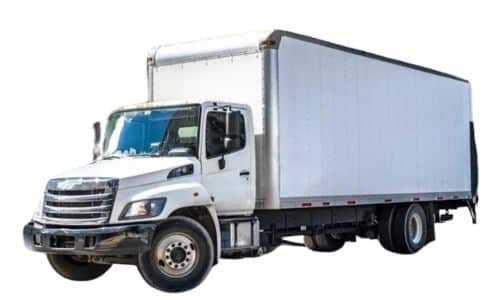
Class B Vehicles

Box Truck

Dump Truck

School Bus

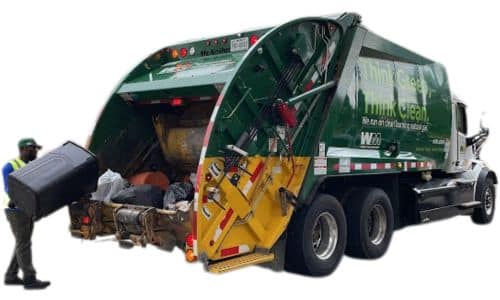
Garbage Truck
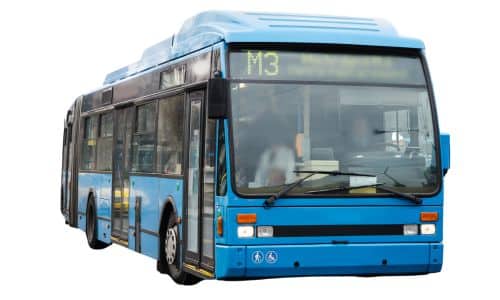
City Bus
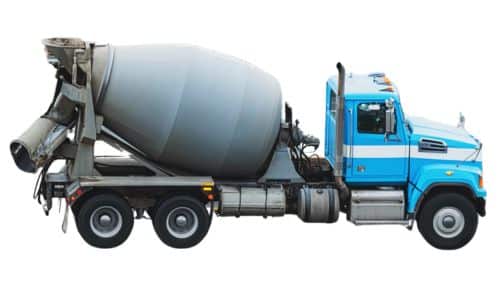
Cement Truck
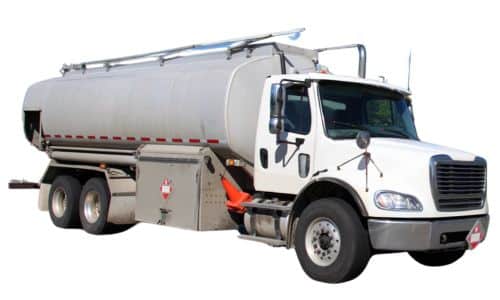
Tanker Truck
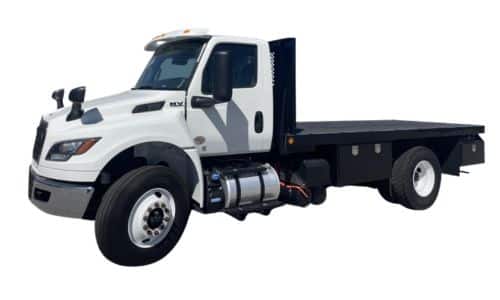
Flatbed
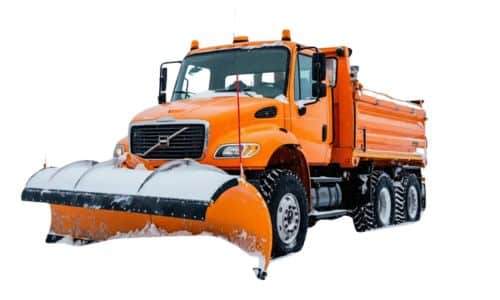
Snow Plow
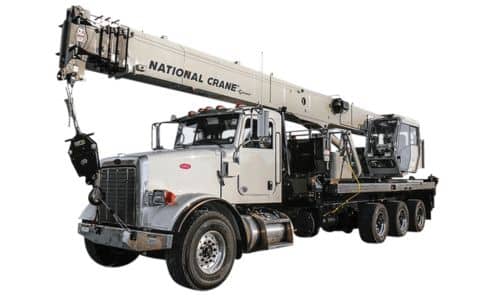
Crane
A major advantage of a Class A CDL is flexibility. With a Class A license, you can legally drive most vehicles covered under Class B, but not the other way around. That means more job options, greater job security, and the ability to pivot as your goals change.
In short, while a Class B CDL can be a solid starting point, a Class A CDL expands your earning potential and career opportunities, making it a smart upgrade for drivers looking to take the next step.
How To Upgrade Class B To Class A?
Upgrading from a Class B to a Class A CDL is not starting over. You already proved you can operate a commercial vehicle. Upgrading is more about adding the right knowledge, endorsements, and road test in a combination vehicle than repeating the entire licensing process. Here’s a clear step-by-step overview of what you’ll need to do to move from Class B to Class A.
What You'll Need
Steps To Upgrade Your CDL:


- Pre-trip inspection on a tractor-trailer
- Basic vehicle control (parking maneuvers)
- Road test


Class B To Class A CDL Requirement: What You Actually Need
Upgrading from Class B to Class A isn’t just a paperwork change. You’re required to demonstrate that you can safely operate combination tractor-trailer vehicles, which means additional training and testing.
Here’s what the class B to class A CDL requirement typically includes:
1. Valid Class B CDL
You must already hold an active, non-suspended Class B CDL in good standing.
2. Commercial Learner’s Permit (CLP) for Class A
Even though you already have a CDL, federal rules require you to obtain a Class A Commercial Learner’s Permit before testing.
This involves:
- Passing the Class A knowledge test
- Passing any endorsement tests you plan to add (air brakes, tanker, etc.)
3. Entry-Level Driver Training (ELDT) for Class A
Under federal ELDT rules, upgrading from Class B to Class A requires additional behind-the-wheel training specifically for combination vehicles.
This training must be completed through a registered CDL training provider.
4. Class A Skills & Road Test
You must pass the Class A CDL skills test, which includes:
- Pre-trip inspection on a tractor-trailer
- Basic control maneuvers
- On-road driving test in a combination vehicle
One important thing to understand is that you cannot use a Class B vehicle to take a Class A CDL skills exam.
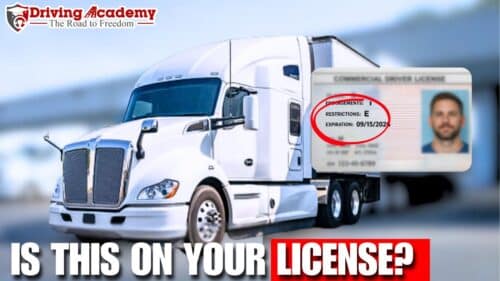
That’s where Driving Academy makes the upgrade process easier. We are not only a certified third-party CDL road testing provider, but we also provide fully equipped Class A vehicles, including air brake-equipped and manual transmission trucks, so you won’t walk away with unnecessary restrictions on your Class A CDL.
Why Driving Academy Is The Smart Way To Upgrade?
Upgrading from a Class B to a Class A CDL is a Big Step, and choosing the right training partner can make all the difference. At CDL Driving Academy, we’ve spent years helping drivers successfully upgrade their CDL, and we’ve built our programs specifically around the needs of working professionals.
Proven Experience With CDL Upgrades
CDL Driving Academy isn’t new to this. We have years of hands-on experience helping students move from Class B to Class A CDL, and we know exactly where drivers tend to struggle. From mastering combination vehicle backing to passing the Class A road test.
Flexible Part-Time & Weekend Training Options
We understand that most drivers upgrading their CDL are already working full-time. That’s why we offer part-time, evening, and weekend programs designed to fit real-life schedules. You don’t have to quit your job or put your income on hold to move your career forward.
Lifetime Job Placement Assistance
Our support doesn’t end when you pass your test.
We offer lifetime job placement assistance, helping graduates connect with reputable carriers and employers long after they earn their Class A CDL. Whether you’re looking for regional, local, or long-haul work, our team is here to help you take the next step.
More Than Training : A Career Upgrade
At CDL Driving Academy, we don’t just help you meet the Class B to Class A CDL requirement, we help you upgrade your career. With flexible scheduling, expert instruction, modern equipment, and long-term job support, you’re not just earning a license, you’re opening doors.
Reasons Drivers Get Stuck Upgrading On Their Own
On paper, the Class B to Class A CDL requirement sounds straightforward. In reality, many drivers struggle because they:
- Don’t have access to a tractor-trailer for testing
- Aren’t trained on Class A-specific backing and turning techniques
- Waste time scheduling tests without proper preparation
- Fail the skills test and have to start over
That’s where choosing the right CDL school makes all the difference.

How Long Does It Take To Upgrade From Class B To Class A CDL?
With the right school, upgrading doesn’t have to take months.
At CDL Driving Academy, many drivers complete their Class B to Class A CDL upgrade in a matter of few weeks, depending on:
- Your availability
- Prior driving experience
- Endorsements added
Drivers with strong prior experience or open availability may complete their upgrade in just a few weeks, while those training part-time typically finish within 4–8 weeks.
With the right training program and access to proper equipment, upgrading from Class B to Class A doesn’t have to drag on , it can be a fast, efficient step forward in your career.
Do You Need Endorsements When Upgrading?
Endorsements aren’t required for the Class B to Class A CDL requirement, but many drivers choose to add them during the upgrade process.
Common endorsements include:
H – Hazardous Materials (HAZMAT): Required to transport dangerous goods like chemicals or flammable liquids.
N – Tank Vehicles: For operating trucks that haul liquids or gases in a tank.
X – Combination of Tank & HAZMAT: This combo endorsement covers both categories.
T – Doubles/Triples: Needed for pulling more than one trailer.
Our team helps you decide which endorsements make sense based on your career goals.
Frequently Asked Questions About Upgrading From A CDL Class B To Class A
Is it easier to get a CDL A if you have a CDL B?
Yes, having a CDL B makes getting a CDL A much easier and faster because you already hold a commercial license. You’ve completed many of the foundational requirements, so the upgrade process is more focused and efficient.
Do I have to start over if I upgrade to Class A?
No. You keep your CDL history and upgrade your license class after passing the Class A tests.
Do I need to redo ELDT training again?
Yes. Federal rules require Class A-specific ELDT training, even if you already completed training for Class B.
Can I work while upgrading?
Yes. Many drivers upgrade while working, especially with flexible training schedules.
Can I fail the Class A test and retake it?
Yes, but proper training significantly reduces the risk of failing.
How Driving Academy Helps You Meet Class B To Class A CDL Requirements
Focused Class A Training
We don’t reteach what you already know. Our instructors focus specifically on:
- Tractor-trailer operation
- Combination vehicle backing
- Highway and city driving with a trailer
- Pre-trip inspections for Class A vehicles
- Access to Proper Equipment
You’ll train and test in real Class A trucks, so there are no surprises on exam day.
Flexible Scheduling
We offer:
- Day, night, and weekend options
- Programs built for working drivers
- Faster upgrade timelines than traditional CDL schools
If you’re ready to move forward, don’t guess your way through the Class B to Class A CDL requirement. Contact us today if you have any questions regarding an upgrage.