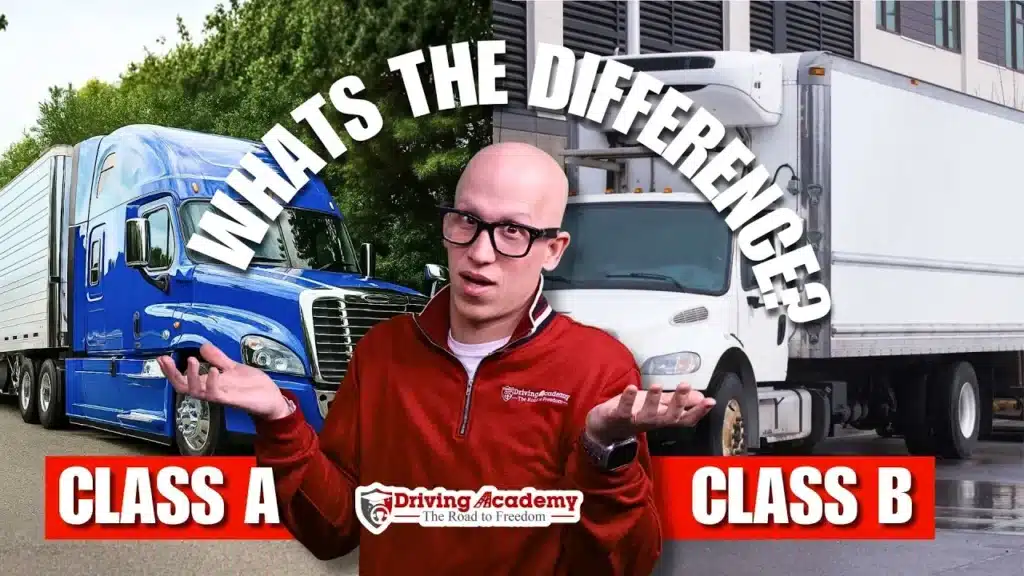
If you’re thinking about getting a commercial driver’s license, one of the first questions you’ll run into is the difference between Class A and Class B CDL. They might seem similar, but the type of work, vehicles, and career paths they open up are very different.
Choosing the wrong CDL class can cost you time, money, and job opportunities. Choosing the right one can put you on a clear path toward a stable, well-paying career.
In this guide, we’ll break down the real differences between Class A and Class B CDL licenses, what each one allows you to drive, the jobs you can get, and how to decide which license makes the most sense for your goals.
What Is A Commercial Driver’s License (CDL)?
Before you actually understand the difference between them, it’s important to know what a CDL is. A Commercial Driver’s License (CDL) allows drivers to legally operate large, heavy, or specialized commercial vehicles. While the rules are set federally, CDLs are issued and managed by each state.
There are three main CDL classes:
- Class A
- Class B
- Class C
This article focuses specifically on the difference between Class A and Class B CDL, since those are the two most common licenses for professional drivers.
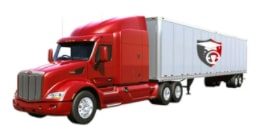
CDL Class A license is for tractor-trailers or large vehicles that weigh over 26,000 lbs. and have a trailer that weighs and/or holds over 10,000 lbs.
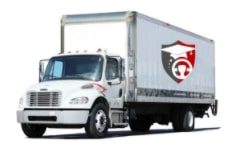
CDL Class B is for box trucks, work trucks and buses. Class B vehicles weigh over 26,000 lbs. with/without a trailer, weighing less than 10,000 lbs.
Class C CDL
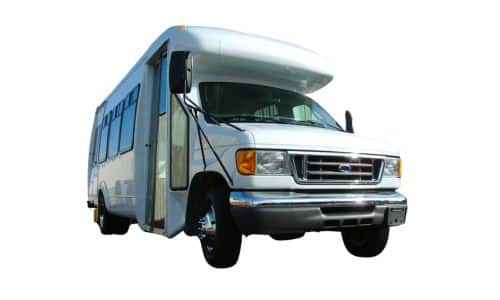
A CDL Class C allows a driver to operate any smaller commercial vehicle designed to carry 16 or more passengers or to transport hazardous materials.
What Is A Class A CDL?
A Class A CDL allows you to operate combination vehicles with a Gross Combination Weight Rating (GCWR) of 26,001 pounds or more, where the vehicle or trailer being towed weighs more than 10,000 pounds.
Vehicles You Can Drive With a Class A CDL:
- Tractor-trailers (18-wheelers)
- Semi-trucks
- Flatbeds
- Tanker trucks
- Livestock carriers
- Truck and trailer combinations
Common Class A CDL Jobs:
- Long-haul (OTR) truck driver
- Regional truck driver
- Tanker driver
- Flatbed driver
- Owner-operator
Class A is the most versatile CDL license and typically offers the highest earning potential, especially for long-distance driving. Because it leads to better pay and broader job opportunities, the Class A CDL is the most popular choice among our students.
Types of Class A Vehicles
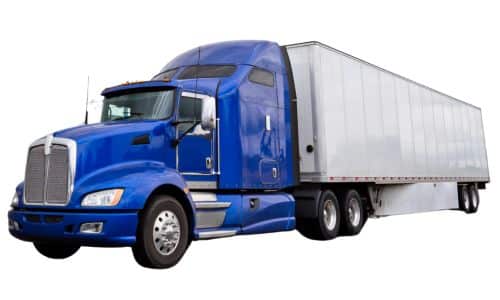
Tractor-Trailers
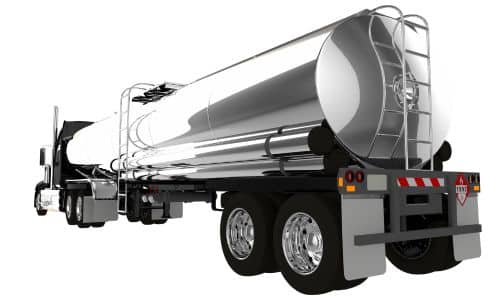
Tanker Trailers
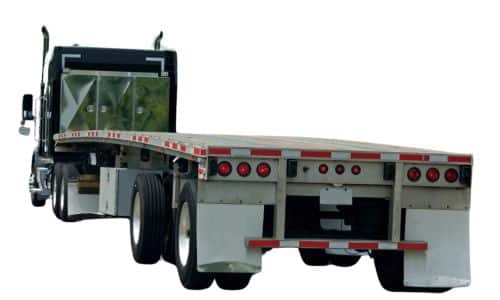
Flatbed Trailers
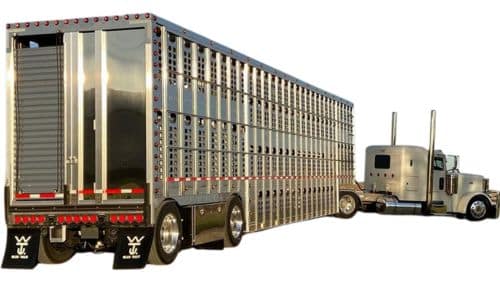
Livestock Carriers
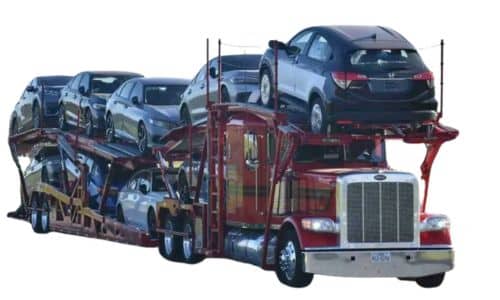
Car Transporters
What Is A Class B CDL?
A Class B CDL allows you to operate single vehicles with a Gross Vehicle Weight Rating (GVWR) of 26,001 pounds or more, or tow a vehicle not exceeding 10,000 pounds.
Vehicles You Can Drive With a Class B CDL:
- Straight trucks
- Dump trucks
- Box trucks
- Cement mixers
- Garbage trucks
- School buses
- City buses
Common Class B CDL Jobs:
- Local delivery driver
- Bus driver
- School bus driver
- Construction vehicle operator
- Waste management driver
Class B jobs are often local, meaning you’re more likely to be home every night.
Types of Class B Vehicles
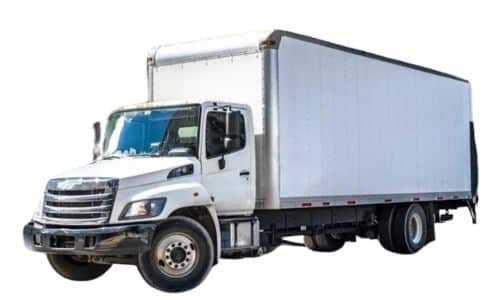
Box Truck
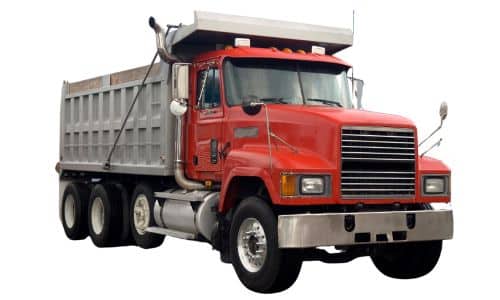
Dump Truck
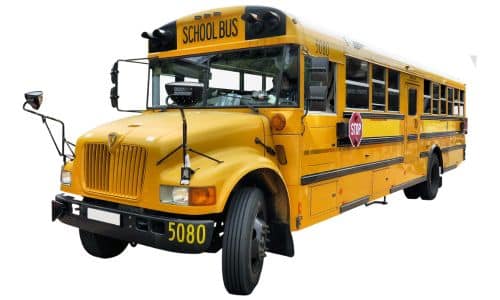
School Bus
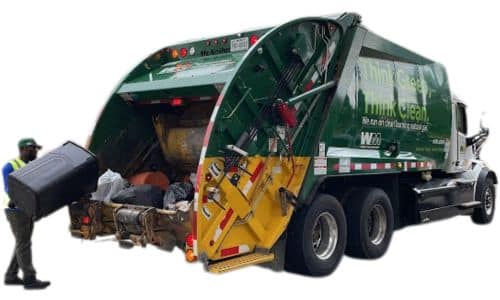
Garbage Truck
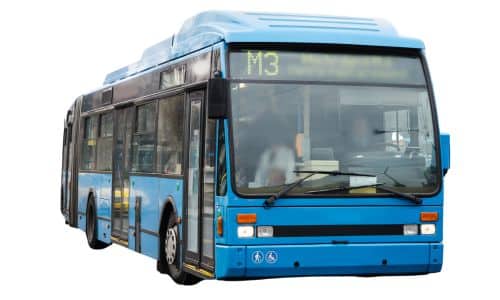
City Bus
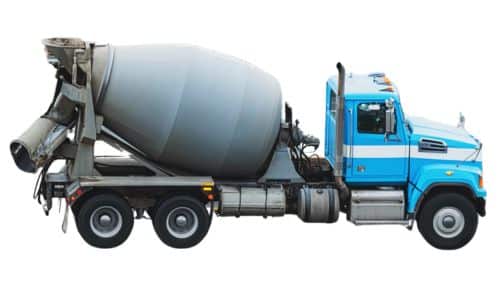
Cement Truck
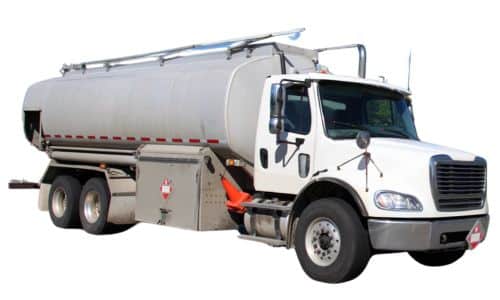
Tanker Truck
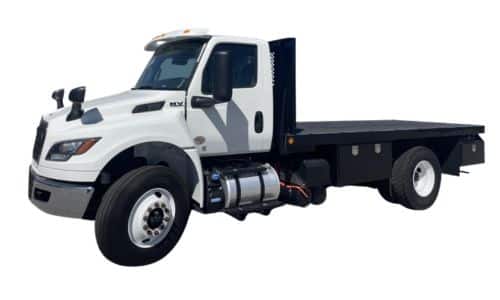
Flatbed
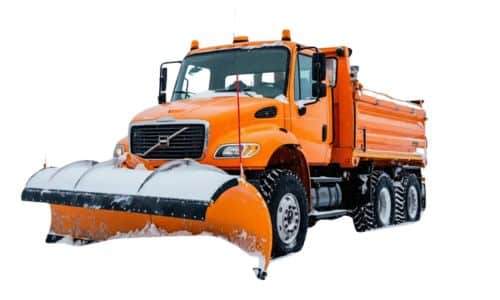
Snow Plow
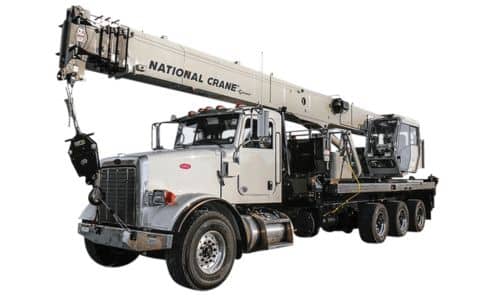
Crane
Difference Between Class A And Class B CDL (Side-by-Side Comparison)
When people ask about the difference between Class A and Class B CDL, they’re usually trying to understand what vehicles they can legally drive and what kind of jobs each license qualifies them for.
The main difference comes down to vehicle type. A Class A CDL is for combination vehicles, like tractor-trailers pulling heavy trailers. A Class B CDL is for single, heavy vehicles, such as buses, dump trucks, or box trucks.
This distinction affects training, testing difficulty, job options, and even daily work schedules. A Class A license generally offers more flexibility, while Class B is better suited for drivers who prefer local routes and predictable hours.
The table below breaks down the side-by-side differences between Class A and Class B CDL so you can clearly see how each license compares and decide which one fits your goals best.
| Class A CDL | Class B CDL | |
|---|---|---|
| Vehicle Type | Combination Vehicles | Single Vehicles |
| Common Vehicles | Tractor-trailers, Semis | Buses, Dump trucks, Box trucks |
| Typical Routes | Long-haul, Regional | Local, Regional |
| Home Time | Less Frequent | More Frequent |
| Earning Potential | Higher | Moderate |
| Career Flexibility | Very High | More Specialized |
In the sections below, we’ll break down these differences in more detail, including pay potential, job types, training difficulty, endorsements, and which CDL makes the most sense depending on your career goals.
Which CDL Is Harder To Get: Class A Or Class B?
Both licenses require:
- A Commercial Learner’s Permit (CLP)
- Written knowledge tests
- A skills and road test
- A DOT medical exam
However, Class A CDL training is generally more challenging because:
- You’ll need to pass a Combination Vehicle permit exam
- You’re learning to drive larger combination vehicles
- Backing and maneuvering are more complex
- You must master trailer control
That said, neither license is “easy”, they just prepare you for different types of driving.
Pay Differences: Class A VS Class B CDL
So here’s the million-dollar question: which CDL actually pays more?
Class A CDL Pay:
Based on Ziprecruiter the average annual pay for a CDL Class A Driver in Linden, NJ is $81,232 a year, while top earners makes upward of $350,000 a year!
- Often higher overall
- Long-haul drivers can earn more with experience
- Tanker, hazmat, and specialized freight pay premiums
- Can get on true road to freedom by owning your own business
Class B CDL Pay:
Based on Comptool the average annual pay for a Class B CDL Truck Driver in New Jersey is $61,974 a year.
- Typically lower than Class A
- More predictable schedules
- Strong pay for construction, and municipal jobs
The truck driver pay does somewhat depend on where you live. However, because Class A drivers aren’t tied to just one location their pay is typically between $75,000 and $95,000.
If maximizing income is your top priority, Class A usually wins. If work-life balance matters more, Class B can be the better choice.


Endorsements: How They Affect Class A And Class B CDL?
Endorsements expand what you can drive and how much you can earn.
Common CDL Endorsements:
Both Class A and Class B drivers can add endorsements, but Class A drivers generally have more endorsement-based job opportunities. If you want to learn more about Endorsements or how to get a CDL in general, feel free to check out this article on How to Get A CDL?
| Endorsement | Purpose | Special Requirement | Knowledge Test |
|---|---|---|---|
| T - Double & Triple Trailer | Pulling 2 or 3 trailers. (Where legally allowed) | Class A license is required | ✔️ |
| P - Passenger | Buses or vehicles used to transport passengers. | Requires Road Test in a bus or passenger vehicle | ✔️ |
| S - School Bus | Transporting children in a bus | Requires "P" endorsement, background check & Road Test in a school bus | ✔️ |
| N - Tanker Vehicle | Transporting liquids or gas in a tanker | Just pass Knowledge Test | ✔️ |
| H - Hazardous Materials | Transporting hazardous materials |
Must be trained & retested every 2 years. Note: Federal Requirements | ✔️ |
| X - Combination Hazardous Materials & Tank Vehicles | Transporting hazardous materials in a tank | Earned automatically with both "H" & "N" Endorsements. |
Can You Upgrade From Class B To Class A CDL?
Yes, and many drivers do.
If you start with a Class B CDL, you can later upgrade to a Class A, but you’ll need to:
- Take the Combination Vehicle knowledge exam
- Complete additional ELDT training
- Pass the Class A skills test
- Test in a combination vehicle
You can fully learn here how to upgrade a Class B to Class A CDL.
Final Thoughts: Choosing Between Class A And Class B CDL
The difference between Class A and Class B CDL comes down to vehicle type, lifestyle, and career goals. Neither license is “better” , they’re just designed for different paths in the transportation industry.
If you want flexibility and higher earning potential, Class A may be the right move. If you want stability, local routes, and consistent schedules, Class B could be the perfect fit.
Whichever path you choose, getting the right CDL is the first step toward a reliable, in-demand career.