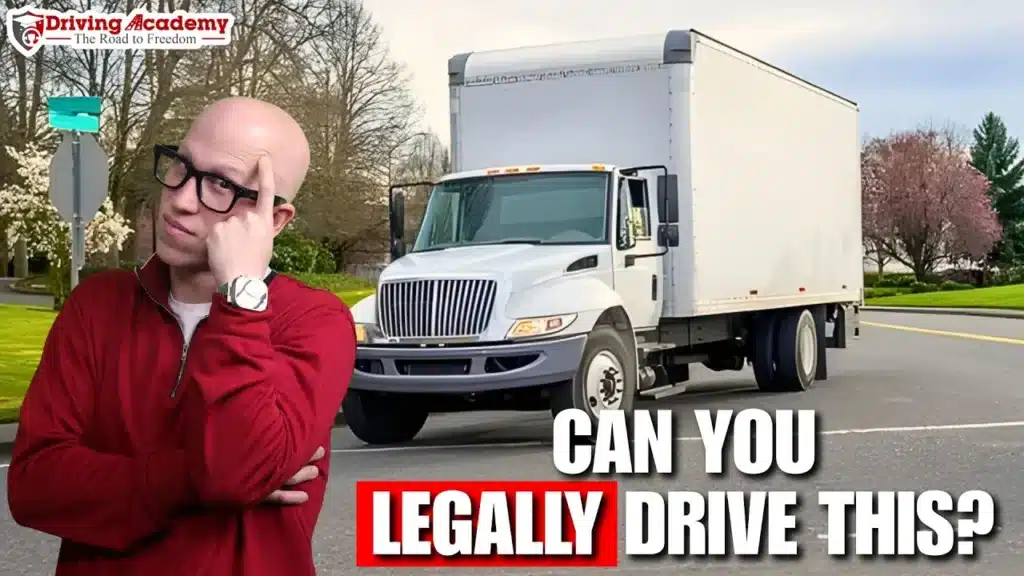
It can be confusing to figure out whether you need a CDL or if a regular driver’s license is enough. Some box trucks can be driven without a CDL, while others require a Class B license because of their weight or how they are used.
The good news is that you do not have to guess.
In this guide, we’ll break down when a CDL is required for a box truck, what GVWR means, and how to know which rules apply before you get started.
What Is a Box Truck?
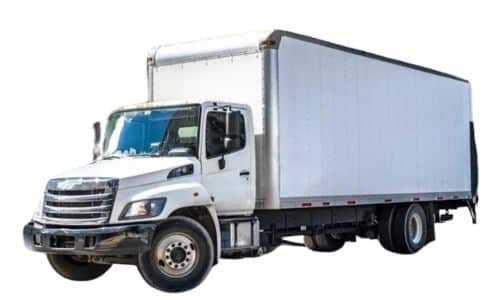
A box truck is a single-unit straight truck with an enclosed cargo area attached to the chassis.
People use box trucks for moving jobs, local deliveries, furniture routes, appliance delivery, and many other kinds of work.
From a licensing point of view, the important thing is that it is usually treated as a single vehicle, not a tractor-trailer combination. That is why larger box trucks usually fall under Class B CDL rules instead of Class A rules. Learn more about the difference between Class A and Class B CDL.
Weight Rating Explained
This is the part people usually get confused: the rule is based on what the vehicle is rated to weigh, not just what it physically weighs that day.
That means an empty box truck can still require a CDL if its GVWR is high enough. The federal CDL rules use the GVWR on the vehicle, not just the current load in the back. So if you are looking at a box truck job, you should not guess based on how big the truck looks. You should find the GVWR sticker, usually on the driver-side door area, and check the number directly. If it’s not on the truck it would be listed in the owner’s manual.
If that number is 26,001 pounds or more, you are in Class B CDL territory.
When You Do Need a CDL for a Box Truck?
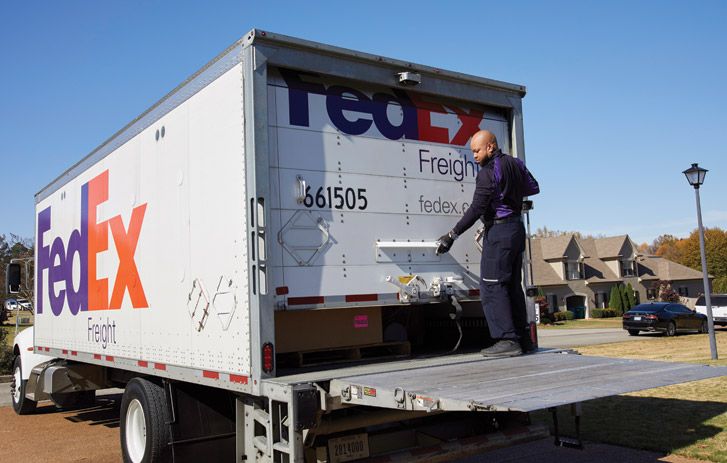
You do need a CDL for a box truck when the truck crosses the federal CDL threshold or falls into one of the special CDL-use categories. The most common reason is weight, but hazardous materials transport can also change the answer.
1. The Box Truck Has a GVWR of 26,001 Pounds or More
The most common reason you need a CDL for a box truck is because of the truck’s GVWR, which stands for gross vehicle weight rating. If the box truck is a single vehicle with a GVWR of 26,001 pounds or more, it usually requires a Class B CDL under the federal CDL rules. That is why two box trucks can look very similar, but one may legally require a CDL while the other does not.
| Truck Size | GVWR | Max Payload | CDL Required? |
|---|---|---|---|
| 10′ Truck | 8,600 lbs | 2,850 lbs | No |
| 12′ Truck | 9,900 lbs | 3,100 lbs | No |
| 16′ Truck | 12,500 lbs | 4,300 lbs | No |
| 24′ Truck | 26,000 lbs | 10,000 lbs | You may want to have one to be safe |
| 26′ Truck | 26,000 lbs | 12,000 lbs | You may want to have one to be safe |
| 26′ Truck | 33,000 lbs | 17,000 lbs | Yes |
2.The Box Truck Is Carrying Hazardous Materials
Even if the box truck is under the normal CDL weight threshold, you may still need a CDL if the truck is transporting hazardous materials in a way that triggers the federal hazmat CDL requirement. FMCSA guidance explains that hazardous materials can make a CDL necessary even when the truck is smaller than 26,001 pounds.
Note: Always Check the GVWR Sticker, Not Just the Load
A big mistake people make is thinking the answer depends on how much the truck weighs that day. In reality, the main issue is usually what the truck is rated to weigh, not what it happens to weigh while empty or loaded.
That is why checking the GVWR sticker on the door or manufacturer’s plate is so important before you accept a box truck job.
What Kind of CDL Do You Need for a Box Truck?
If the box truck is over the CDL threshold, it is usually a Class B CDL but you can also drive it with a Class A CDL.
A Class B CDL allows you to drive a single vehicle with a GVWR of 26,001 pounds or more. If there is a trailer, that trailer must be 10,000 pounds GVWR or less. For most box truck jobs, the vehicle is a single unit without a heavy trailer, so Class B is the license people usually need.
A Class B CDL can also open the door to other vehicles in the same category, such as:
- Large box trucks
- Dump trucks
- Cement trucks
- Garbage trucks
- Buses (with a passenger endorsement)
Box Truck
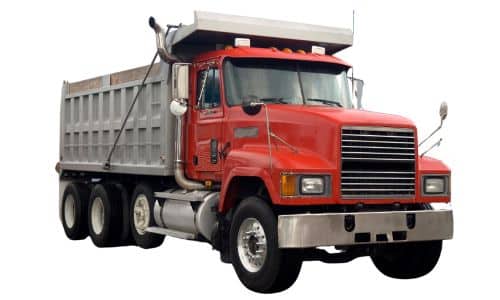
Dump Truck
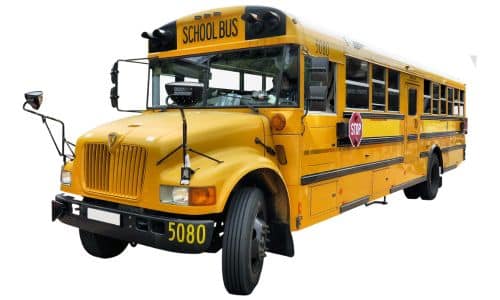
School Bus (S)
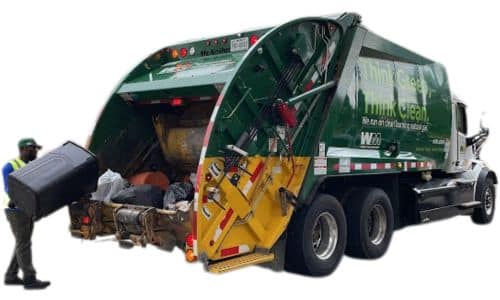
Garbage Truck
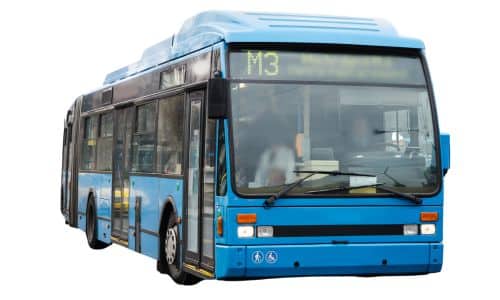
City Bus
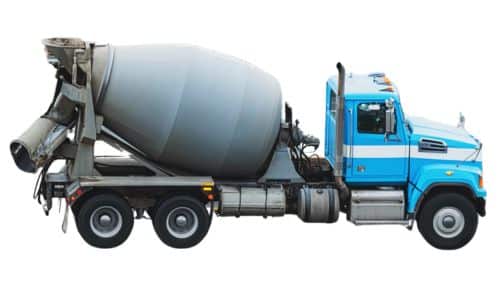
Cement Truck
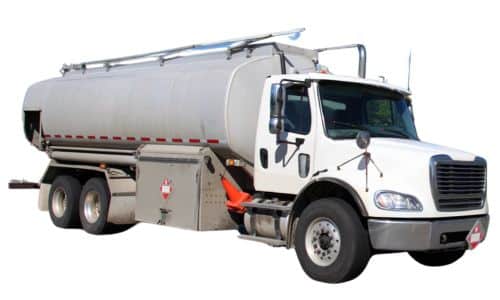
Tanker Truck
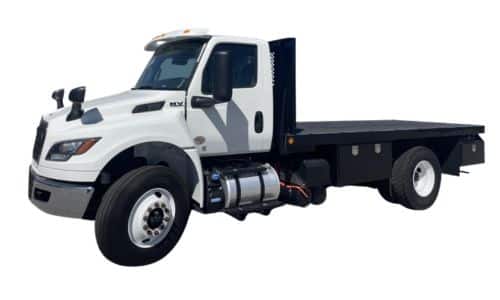
Flatbed
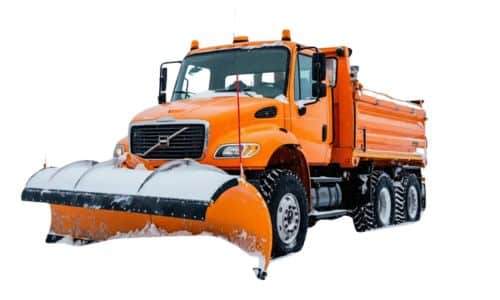
Snow Plow
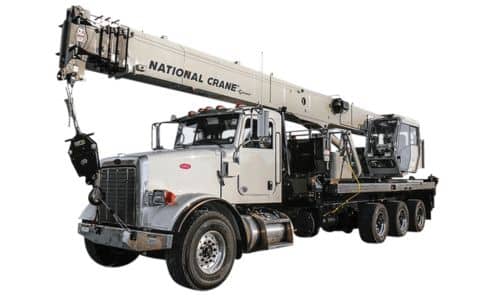
Crane
Penalties for Driving a Box Truck Without a CDL
Driving a box truck that legally requires a CDL without having the proper license can create serious problems for both the driver and the company.
Under the federal rules, a person who is required to have a CDL must not operate a commercial motor vehicle without the proper class or endorsements, and employers must not knowingly allow it either.
Fines and Citations
The exact fine usually depends on state law and the specific violation written by the officer. That is why the dollar amount can vary from one state to another.
But even without one universal federal ticket amount, the federal rules are very clear that operating a CMV without the proper CDL is a serious violation.
In general the fine for operating a large truck with out a CDL license is in the $1000’s!
It can lead to citations, fines, and being pulled out of service until a properly licensed driver takes over.
Problems for the Driver
For the driver, the biggest risk is simple: you can be cited for operating a vehicle you are not legally licensed to drive. That can create an expensive problem right away, and it can also hurt future job opportunities if the violation ends up on your record. Federal CDL rules also say drivers required to have a CLP or CDL are subject to disqualification sanctions for certain convictions and violations.
Problems for the Employer
The company can also get in trouble. Federal law says an employer may not allow, require, permit, or authorize a driver to operate a CMV if the employer knows or should reasonably know that the driver does not have the current CDL, the proper class, or the proper endorsements.
Out-of-Service Risk
One of the most immediate consequences is that the trip may simply stop. If enforcement determines the vehicle requires a CDL and the driver does not have the right license, the driver may not be allowed to keep operating that truck. In practical terms, that can delay the job and create extra towing or dispatch costs. This will also leave the company scrambling for a properly licensed replacement driver. This is an inference based on the federal rule that a person required to have a CDL must not operate without one and the enforcement treatment of such violations as serious.
The safest way to avoid these penalties is to verify the truck before you drive it. Check the GVWR sticker, confirm whether the truck is carrying placarded hazardous materials, and make sure it is not being used in a way that changes the CDL requirement.
Don’t risk your job or a massive $5,000 fine. If the trucks you want to drive require a CDL, we can help you get licensed fast.

FAQ
Yes. A lot of people work in non-CDL box truck jobs. These can include local delivery, moving work, furniture delivery, retail distribution, and other straight-truck routes. The key is still the same: you need to know whether the truck is a CDL box truck or a non-CDL box truck before you say yes to the job.
Usually, no. Many rental box trucks are designed to stay under the CDL threshold so regular drivers can rent them. But you should still double-check the GVWR before assuming. If the rental company gives you a truck that crosses into CDL territory and you do not have the correct license, the risk is still on the driver. That is why checking the sticker matters so much.
First, you get your CDL permit by passing the required written tests. Then you complete the training that applies to your situation. FMCSA says many first-time Class B applicants must complete Entry-Level Driver Training (ELDT) before taking the skills test. After that, you take the CDL skills test. Learn more about how to get a CDL.