Hey future trucker! In today’s guide, we’re going to give you the exact explanation of what a CDL Class B vehicle is.
Now, “CDL” stands for Commercial Driver’s License. Commercial means that you can make money being a driver. Once you get a CDL, you are officially considered a professional driver and can make a boatload of money doing it!
In this post, we’re going to explain exactly what a Class B license is, the rules surrounding it, and all the different things you can do with it. You can also talk to a Free CDL advisor at Driving Academy if you have any questions in mind.
What Is A Class B CDL License?
A Class B CDL is the perfect license for drivers who want to make a great living in the local market, stay close to home, and avoid driving massive tractor-trailers.
By federal definition, having a Class B Driver’s License allows you to operate a single vehicle that has a gross vehicle weight rating (GVWR) of more than 26,000 pounds. If you decide to attach a trailer to that vehicle, the trailer must weigh less than 10,000 pounds.
In simple terms: The truck itself is built to carry heavy loads, but you aren’t towing a massive, heavy trailer behind you.
What Can You Drive With A Class B CDL?
Because you aren’t pulling a massive 53-foot trailer, the skill level required to drive Class B and Class A vehicles is completely different. Many of our students start off with a Class B to get over their fear of big trucks.
Here is a closer look at the most common commercial vehicles you can operate with a Class B license:
Types of Class B Vehicles
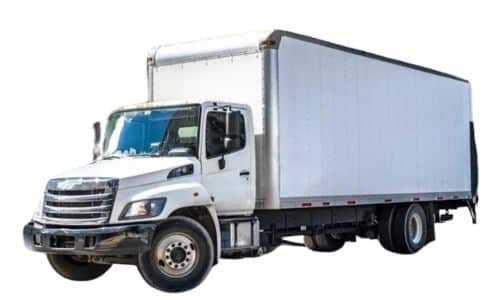
Box Truck
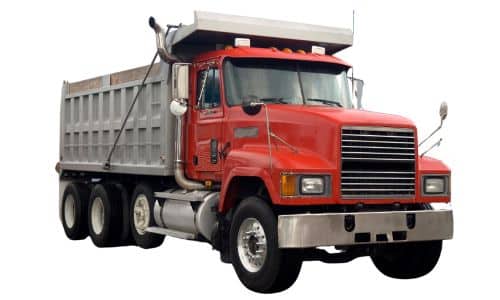
Dump Truck
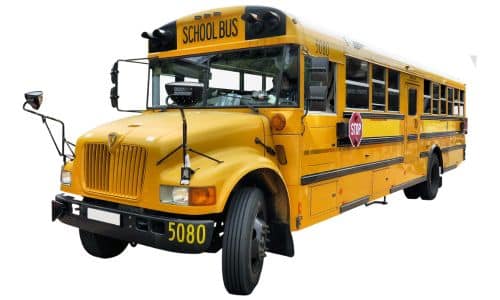
School Bus (S)
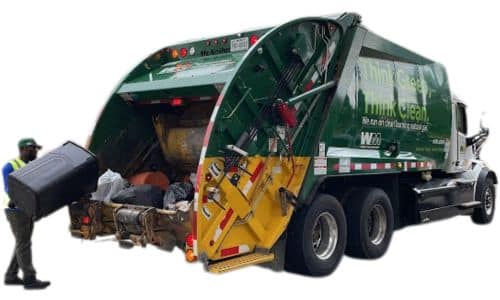
Garbage Truck
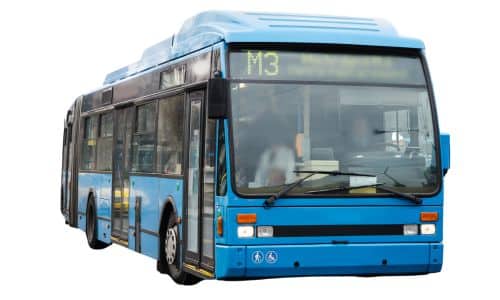
City Bus
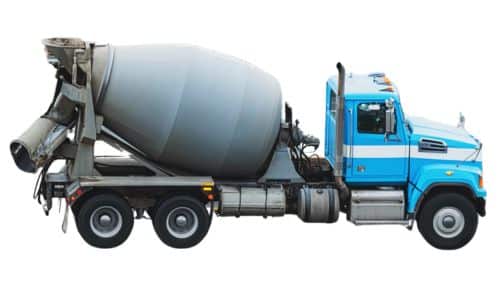
Cement Truck
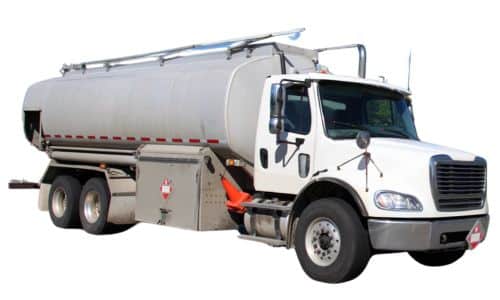
Tanker Truck
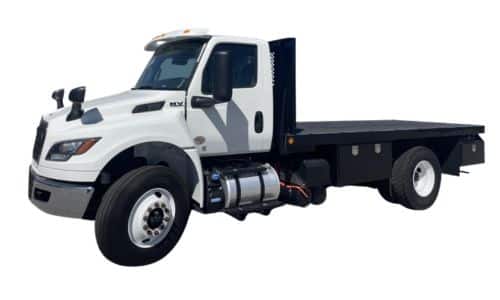
Flatbed
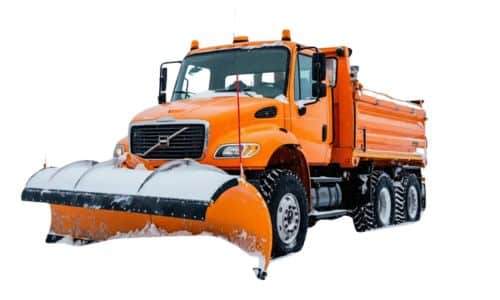
Snow Plow
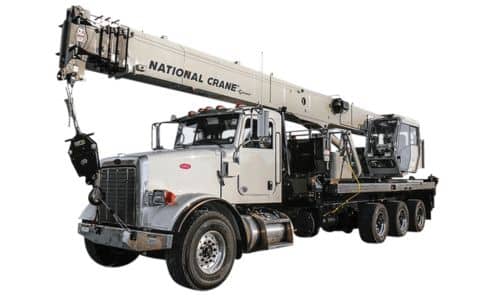
Crane
- Straight Trucks & Box Trucks: The most common Class B vehicles on the road. These are used for local deliveries, moving companies, and hauling retail freight like furniture or appliances.
- Dump Trucks: The backbone of local construction. When loaded with dirt, gravel, or asphalt, these heavy-duty single-frame vehicles easily exceed the 26,000-pound limit.
- Garbage & Recycling Trucks: These essential municipal vehicles operate entirely locally and require highly skilled drivers to safely navigate tight residential neighborhoods and dead-end streets.
- Cement Mixers: Heavy, rigid-frame construction vehicles that carry thousands of pounds of mixing concrete to local job sites.
- Passenger Buses & School Buses: Large transit vehicles designed to carry heavy loads of people. (Note: You must add a Passenger or School Bus endorsement to your Class B license to legally drive these).
- Beverage & Food Delivery Trucks: Often seen making daily drops to grocery stores and restaurants, these trucks are built to handle massive payloads of heavy liquid and refrigerated food products.
These are some of the most common Class B vehicles on the road. They operate purely locally, have no trailers, and require highly skilled drivers to navigate tight residential neighborhoods.
Common Endorsements For Class B License
Now, you might be asking, “Can I drive a bus because there’s a ‘B’ in bus?” That’s a yes and a no!
Just with a normal Class B license, you cannot legally drive a bus. To unlock certain high-paying jobs, you need to add “Endorsements” to your license by passing additional written or road tests.
Passenger (P) Endorsement
If you want to transport people, this is the exact endorsement you need. Adding a Passenger (P) endorsement to your Class B license legally allows you to drive vehicles designed to carry 16 or more passengers, such as city transit buses, airport shuttles, and luxury tour buses.
School Bus (S) Endorsement
Driving children requires a higher level of safety and training. If you want to drive a standard yellow school bus, you must first get your Passenger (P) endorsement, and then add a School Bus (S) endorsement on top of it. This usually requires a separate written test, a background check, and a specific road test in a school bus. Learn more about school bus training.
Tanker (N) Endorsement
A Tanker endorsement allows you to drive commercial vehicles that haul liquids or gases in bulk tanks (specifically, tanks carrying more than 119 gallons). For Class B drivers, this opens up local jobs driving water trucks, street sweepers, or even commercial milk transport trucks.
Hazardous Materials (H) Endorsement
Hauling dangerous goods such as flammable liquids, explosives, or toxic chemicals—requires a Hazmat endorsement. You will need to pass a federal background check and a written exam to get this. For Class B drivers, combining the Hazmat and Tanker endorsements is a massive money-maker, allowing you to drive highly lucrative local routes like home-heating oil delivery or commercial fuel trucks.
How Much Does A Class B CDL Driver Make?
While you are going to make a little bit less money driving a Class B vehicle compared to a Class A tractor-trailer, the trade-off is a better work-life balance.
Class B drivers are highly demanded in local markets. According to Glassdoor, average annual earnings for a Class B driver in New Jersey has a median of $75,000, with specialized local roles (like crane operators, overnight fuel delivery, or specialized transit) paying up to $90,000+ per year.
The biggest benefit? You are almost always home on a daily basis.
Class B CDL Qualification
In order to qualify for a Class B CDL, you need to make sure you meet a few specific requirements before taking your road test. The FMCSA mandates that first-time Class B applicants are subject to Entry-Level Driver Training (ELDT) rules, meaning drivers must complete certified training before becoming legally eligible for the CDL skills test.
In general, Class B CDL applicants need to:
- Meet state identification and medical requirements (including passing a DOT physical).
- Get a Commercial Learner’s Permit (CLP) by passing the required written exams.
- Hold the CLP for at least 14 days before you are allowed to take the behind-the-wheel skills test.
- Complete applicable ELDT from an approved provider listed in the FMCSA’s Training Provider Registry (like Driving Academy!).
While the exact paperwork or fees might vary slightly state by state, the federal framework is exactly the same across the country: get your permit first, complete your training second, and pass your skills test last.
Do you qualify to get a Class B CDL?
How to Get a CDL Class B License?
How do you actually get this license?
The quick answer: Come to the best school in the entire country here at Driving Academy!
But if you need the detailed, analytical breakdown, here are the exact steps:
Step 1: Get Your Commercial Learner’s Permit (CLP)
Just like when you got your regular driver’s license, you need a permit first. You will need to study for and pass the required general knowledge written exams at your local DMV to obtain your Commercial Learner’s Permit.
CDL Endorsements
Endorsements are needed when you want to haul certain types of cargo or transport passengers. These “endorsements” shows that you have a specialized knowledge to operate these vehicles safely.
What Are The Endorsements You Can Get?
There are 4 truck driving endorsements that you can get on your license that allow you to legally transport different types of vehicles and cargo.
| Endorsement | Purpose | Special Requirement | Knowledge Test |
|---|---|---|---|
| T - Double & Triple Trailer | Pulling 2 or 3 trailers. (Where legally allowed) | Class A license is required | ✔️ |
| N - Tanker Vehicle | Transporting liquids or gas in a tanker | Just pass Knowledge Test | ✔️ |
| H - Hazardous Materials | Transporting hazardous materials |
Must be trained & retested every 2 years. Note: Federal Requirements | ✔️ |
| X - Combination Hazardous Materials & Tank Vehicles | Transporting hazardous materials in a tank | Earned automatically with both "H" & "N" Endorsements. |
Step 2: ELDT(Entry-Level Driver Training)
In order to take the road test for you Class B CDL, you mush first complete your ELDT AKA Entry-Level Driver Training.
Now there are two parts to the ELDT truck drive training: ELDT Theory and Behind-The-Wheel. In order to take your road test, you’ll need to complete both portions of the training at a federally licensed CDL school like Driving Academy.
ELDT Theory
ELDT theory is the curriculum required by the Federal Motor Carrier Safety Administration (FMCSA) for those looking to get their Class B CDL.
The government wanted to make sure that everyone had a standard piece of knowledge so they mandated that every student take an ELDT theory course.
This program covers things you need to know to drive a Class A CDL truck.
There are no required minimum teaching hours for theory training,
Because there isn’t a single format, it’s up to the schools to build a curriculum that gets approved by the FMCSA. This leeway with the CDL program means the coursework can be done in a live classroom, online or through a collection of recorded videos.
Once you complete the training, you need to take another test to prove your knowledge.
Once you pass the ELDT theory exam you’re ready to rock and roll. You’re now up to the fun part, practicing on a real truck!
Behind-The-Wheel Training
The second part of training is where you get to practice driving a Class A truck. This Behind-The-Wheel training is done at a certified truck driving school like Driving Academy.
You might be thinking, “Hey, why can’t I just practice on my uncle/brother/friend’s truck. I’ll just learn with them and get my Class B CDL.”
…Nope.
You Must Complete Behind-The-Wheel Training In-Person At A Licensed CDL School!
According to § 380.609 of the Federal Code regarding entry-level driver training requirements:
“An individual who applies, for the first time, for a Class A or Class B CDL, or who upgrades to a Class A or B CDL, must complete driver training from a provider listed on the Training Provider Registry (TPR).”
This means that truck driver training can only be done by a licensed instructor at a federally approved school.
So, if you haven’t already, you’ve got to enroll at a CDL driving school like Driving Academy for yard training.
Class B Yard Training
Your behind-the-wheel training will take place in a yard or lot, which is why it’s often referred to as yard training.
Yard training at a certified trucking school is a crucial part of a commercial driver’s license training program.
Not only is it federally mandated but it takes place in a controlled environment (the “yard”) where students learn to safely operate and maneuver a truck before heading out on public roads.
This CDL yard training helps you become a truck driver by preparing you for the road test.
Truck Yard Training
Step 3: CDL Skills Test (Road Test)
The skills test has three parts:
1) Pre-Trip Inspection
The first stage of the Class B CDL road test is the Pre-Trip Inspection. In this section you’re going to have to know how to inspect both the outside and then inside of the vehicle.
2)Basic Control
The second stage of the Class B CDL road test is the Parking Maneuvers. These are going to test your Basic Vehicle Control.
You’ll just need to do things like Forward Stop, Straight Line Backing, Forward Offset and Reverse Offset.
You’ll need to demonstrate your ability to control the truck by guiding it into a defined area marked with traffic cones and painted lines.
You will fail your CDL skill test if you miss or go over the lines. It might seem unfair but in the real world, if you go over the line, then “BAM!” you’ve hit a car or building.
3) Road Test
The final part of the CDL exam is driving the truck on the road itself. This CDL road test is just like the road test you took when you got your regular license.
Your examiner will tell you where to drive and put you in a variety of traffic situations. This would include:
- Left and Right Turns
- Intersections
- Railroad Crossings
- Up and Down grades
- Single and Multi-Lane Roads, Streets, and Highways
Note: The main difference between the Class B CDL road test and a regular car road test is that you’ll also need to point out signs like speed limits and bridge heights.