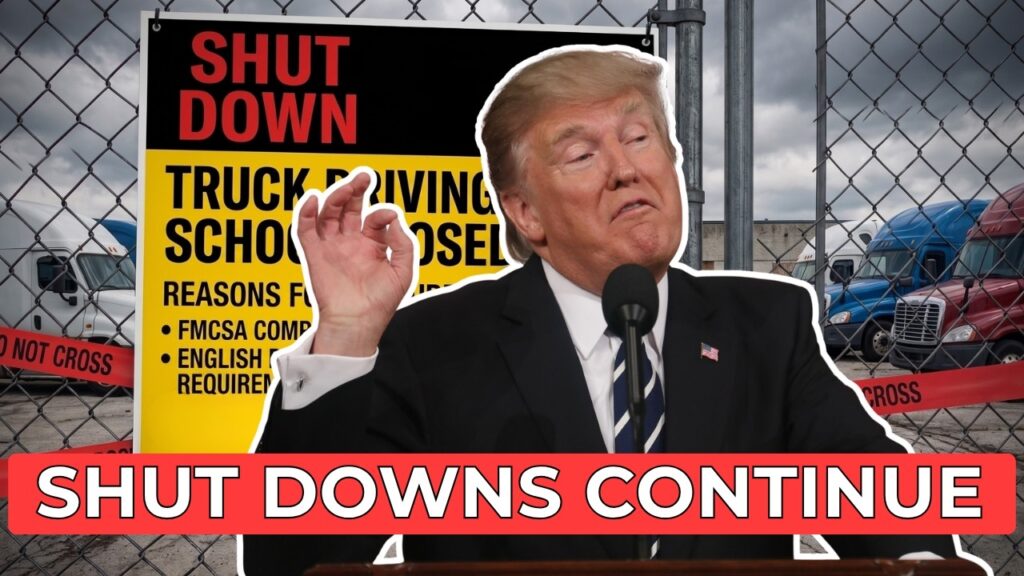
Have you heard the massive news shaking up the trucking industry?
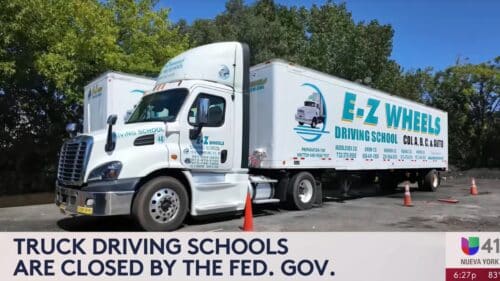
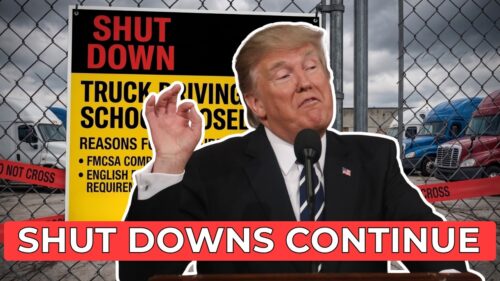
On Monday, August 31st, 110 CDL schools just got shut down overnight.
This dramatic move is only the latest in an aggressive string of federal crackdowns dating back to August of last year, and officials say it isn’t stopping here. According to Secretary Duffy, another 160 CDL schools are currently under active investigation and facing potential removal from the federal registry.
So, why all the sudden shutdowns? What does this mean for aspiring truckers looking to get on the road to freedom? Let’s break down everything you need to know about this crackdown, the safety debate surrounding it, and how you can protect your tuition money by choosing a fully compliant truck driving school.
What Happened? The Federal Crackdown on 110+ CDL Schools Explained
The Department of Transportation (DOT) and the Federal Motor Carrier Safety Administration (FMCSA) executed an emergency removal of 110 commercial driver’s license training providers from the federal Training Provider Registry (TPR).
When a school is removed from the TPR, it legally loses the ability to certify students for Entry-Level Driver Training (ELDT). Without ELDT certification, state DMVs cannot allow students to take their CDL skills test.
Why 110 Schools Were Removed From the Federal Registry
The DOT revealed that these 110 schools were shut down after federal investigations linked them to issuing completion certificates to more than 5,000 drivers who subsequently failed basic English Language Proficiency (ELP) exams during roadside safety inspections.
Federal regulations require commercial drivers to be able to read, write, and speak sufficient English to converse with the public, understand highway traffic signs, respond to official inquiries, and make legible entries on reports. When federal auditors discovered systemic violations where schools were bypassing these safety rules, the emergency shutdown button was pushed.
Why Another 160 Schools Are Under Investigation
If 110 schools vanishing overnight wasn’t enough, federal officials confirmed that another 160 truck driving schools are currently under intense scrutiny.
The audits aren’t just looking at language compliance. Federal investigators are targeting “CDL mills” for various major violations, including:
- Inadequate Training Yards: Operating without enough physical space or cone setups to teach proper backing and parking maneuvers.
- Missing Classrooms: Lacking legitimate physical facilities or approved online ELDT theory platforms.
- Unlicensed Instructors: Using trainers who lack valid CDL licenses or required instructor credentials.
- Falsified Training Logs: Falsifying student hours and signing off on behind-the-wheel practice that never actually happened.
The Core Debate: Road Safety vs. Industry Impact
This emergency shutdown has ignited a passionate debate across the transportation sector, raising tough questions about road safety, driver shortages, and fair treatment.
The Safety Perspective: Why Reading Road Signs Matters for 80,000-lb Rigs
Supporters of the crackdown, including safety advocates and major trucking associations, argue that strict standards are essential when operating an 80,000-pound commercial vehicle.
From a safety standpoint, a driver must be able to:
- Instantly read and react to critical road warnings (such as low bridge clearances, steep grade warnings, or runaway truck ramp signs).
- Communicate effectively with law enforcement, scale house officers, and emergency responders during accidents or roadside inspections.
- Understand hazard placards and dangerous goods shipping manifests.
When shady schools skip required training or pass unqualified students just to collect tuition, they put everyone on the highway at risk.
The Industry Concerns: What Critics and Driver Groups Are Saying
On the other side of the debate, critics argue that the narrative is being blown out of proportion and unfairly targets foreign-born truckers.
Back in March, the federal administration revoked non-domiciled commercial licenses for thousands of drivers. However, industry analysts and media reports point out that foreign-born drivers holding non-domiciled CDLs were responsible for less than 1% of fatal truck crashes in 2025 (accounting for just 17 fatal crashes nationwide).
Critics argue that focusing so heavily on English proficiency distracts from larger safety issues, such as distracted driving, speed, and inadequate maintenance, while placing an extra burden on an industry already facing driver shortages.
So where do you stand? Does this crackdown make our highways safer, or is it creating unnecessary roadblocks for hardworking drivers?
How to Protect Yourself from Fraudulent CDL Schools
If you’re looking to start a new career in trucking, news of 110 schools shutting down can sound terrifying. Imagine paying thousands of dollars in tuition, spending weeks in class, only to find out your school got removed from the federal registry and your training doesn’t count at the DMV!
Here is how you can protect your investment and avoid getting caught in a CDL mill scam:
How to Check if a School Is Listed on the FMCSA Training Provider Registry (TPR)
Before handing over a single dollar to any truck driving school, verify their standing on the official FMCSA Training Provider Registry website:
- Visit the official FMCSA TPR website.
- Search for the school’s exact legal name and location.
- Verify that their status is active and approved for Class A, Class B, or endorsement training.
If a school isn’t listed on the TPR, the DMV will not accept your training, and you will not be allowed to take your CDL road test.