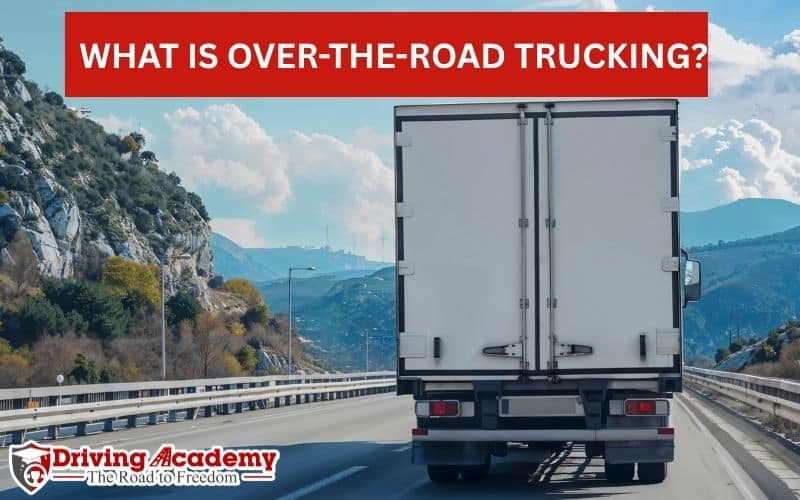
Over-the-road trucking, commonly called OTR trucking, involves transporting freight across long distances, often through several states. OTR drivers may remain on the road for days or weeks before returning home.
OTR trucking is also known as long-haul trucking. Instead of completing routes within one city or region, OTR drivers may travel hundreds or thousands of miles between manufacturers, distribution centers, warehouses, ports, and customer locations.
The distance is only one part of the OTR trucking lifestyle. The truck also becomes a temporary home, with a sleeper cab providing space to rest, store personal belongings, eat, and prepare for the next day.
What Does OTR Mean in Trucking?
OTR stands for “over the road.”
An OTR driver transports freight across a much larger area than a local or regional driver. One route could take a driver from New Jersey to Texas, while the next could run from Ohio to California.
OTR routes may include:
- Cross-country deliveries
- Multi-state freight
- Distribution center transfers
- Manufacturer-to-warehouse shipments
- Port and rail freight
- Refrigerated goods
- Retail products
- Machinery and equipment
- Automotive parts
- General freight
Some OTR drivers follow regular lanes between the same cities. Others receive different destinations each time they complete a load.
A dispatcher commonly assigns the route or load, although independent drivers may have more control over route planning. Drivers must account for truck restrictions, delivery windows, fuel, weather, parking, and legally required rest periods.
What Are the Benefits of OTR Trucking?
You See More of the Country
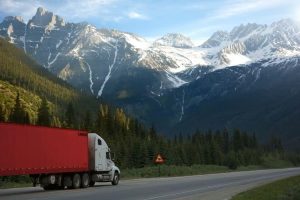
OTR drivers travel through cities, rural areas, mountains, deserts, coastlines, and industrial centers.
The scenery changes regularly, especially for drivers who receive different routes instead of running one dedicated lane.
More Independence During the Workday
A dispatcher and carrier still set expectations, but drivers manage much of the workday independently.That independence can appeal to someone who doesn’t want a supervisor standing nearby throughout the day.Build Long-Distance Driving Experience
OTR driving exposes drivers to different roads, weather conditions, customer locations, and freight situations.
That experience may strengthen route planning, backing, time management, and vehicle-control skills.
The Truck Becomes Your Own Space
Drivers often customize the sleeper cab with bedding, storage, electronics, and personal items.
The space is small, but it can provide privacy and consistency during a long trip.
You Make More Money
Operating as an Over-the-Road (OTR) driver offers a significant financial advantage, as these long-haul positions typically command the highest earnings in the trucking industry. Because OTR drivers log thousands of miles per week and carriers offer premium per-mile rates, sign-on bonuses, and accessory pay for detentions or layovers. This consistent mileage translates directly into a larger, more stable paycheck compared to local or regional routes. OTR driver makes an average of $81,000 based on Indeed. For individuals focused on maximizing their income, the specialized nature of long-distance hauling provides an unmatched opportunity to fast-track financial goals.
Learn More About Becoming An OTR Driver At Driving Academy!
How Much Do OTR Truck Drivers Make?
When it comes to earning potential, over-the-road (OTR) trucking offers one of the most lucrative paths in the commercial driving industry for those who love to travel. Here’s a breakdown:
As Jonathan, founder of Driving Academy, breaks down in the video above, taking on long-haul OTR routes allows drivers to get “paid big” while enjoying a completely different office view every day. From mountains and deserts to bustling cities across the country. While standard OTR routes already deliver strong pay for covering coast-to-coast miles, your earning potential can climb even higher depending on the specific travel niche you choose.
For example:
Standard OTR (Over-The-Road) Trucking: Coast-to-coast long-haul routes that pay you for high weekly miles while giving you the freedom to explore new states and cities every single week.
Team Driving: Partnering up to keep the truck moving 24/7. Taking turns driving lets you cover double the distance, deliver loads faster, and significantly boost your overall paycheck.
Expedited Freight: Transporting urgent, time-sensitive loads on short notice. Because these runs require extreme flexibility and fast delivery times, carriers pay a premium for drivers who are ready to roll at a moment’s notice.
Driveaway & RV Transportation: Delivering brand-new buses, trucks, or RVs directly from manufacturers to dealerships. This specialty route lets you drive fresh equipment, enjoy hotel and flight perks, and explore new places.
Oversize & Heavy Haul Freight: Transporting massive equipment like wind turbines, tractors, and heavy construction machinery. Navigating these wide loads into remote areas requires extra permits and advanced planning, which commands top-tier compensation.
Ice Road Trucking: High-risk seasonal driving across frozen lakes and waterways in Alaska or Canada to deliver essential goods to remote areas. It requires serious skills and nerves of steel, but it offers some of the highest seasonal paychecks in the entire transportation industry.
Ultimately, OTR trucking transforms a love for the open road into a high-paying career where you get paid extremely well to see the nation.

What Is OTR Trucking Like Day to Day?
OTR drivers don’t normally work a standard nine-to-five schedule.
A property-carrying commercial driver may drive for up to 11 hours after receiving at least 10 consecutive hours off duty. Driving and working aren’t always the same thing. A driver may spend part of the day inspecting equipment, fueling, waiting for freight, completing paperwork, or sitting at a customer location.
The order changes based on the freight and delivery schedule, but the day may look something like this:
Some days go almost exactly as planned. Others change because of traffic, bad weather, mechanical problems, warehouse delays, or limited parking. That unpredictability is a major part of what OTR trucking is like.
How Long Are OTR Drivers Away From Home?
OTR drivers may remain away from home for several days to several weeks.
A common schedule can involve spending two or three weeks on the road before returning home. The actual schedule depends on the carrier, freight lanes, terminal location, driver’s home address, and company policy.
“Home every two weeks” doesn’t always mean receiving two full weekends at home. A driver could arrive late in the day, receive limited time off, and leave again shortly afterward.
Before accepting an OTR position, ask:
- How many days do drivers normally stay out?
- How many full days at home does that schedule provide?
- Is home time guaranteed or estimated?
- What happens when freight delays the return trip?
- Can the truck be taken home, or must it remain at a terminal?
Learn more about How Often Are Truck Drivers Home?
What CDL Do You Need for OTR Trucking?
To drive Over-The-Road (OTR), you will almost universally need a Class A Commercial Driver’s License (CDL).
Under federal CDL rules, Class A generally covers a combination of vehicles with a gross combination weight rating or weight of at least 26,001 pounds when the towed unit has a gross vehicle weight rating or weight above 10,000 pounds.
Because OTR routes require crossing state lines (interstate commerce), federal regulations also require drivers to:
- Be at least 21 years old
- Maintain an active DOT Medical Card
While a baseline Class A CDL gets your foot in the door for most entry-level jobs, adding specialized endorsements, like Hazmat (H), Tanker (N), or Doubles/Triples (T) will unlock the highest-paying long-haul routes in the industry.
Frequently Asked Questions
OTR stands for “over the road.” It’s another name for long-haul trucking.
OTR drivers may remain away from home for days or weeks. A two-to-three-week schedule is common in some operations, but home time varies by employer, route, freight lane, and where the driver lives.
Most OTR drivers sleep in a sleeper berth behind the truck’s cab. Sleeper cabs typically include a bed and storage, while some also include refrigerators, microwaves, electrical outlets, and entertainment equipment.
Drivers may shower at truck stops, terminals, gyms, hotels, or other facilities. Daily shower access depends on the route, schedule, and available stops.
OTR drivers temporarily live in their trucks while completing trips. They usually return home between runs, but the sleeper cab becomes their living space while they’re on the road.
Neither option is automatically better. OTR provides more long-distance travel and less frequent home time. Local trucking usually provides more time at home but may involve more stops, physical work, and city driving.
Most OTR positions require a Class A CDL because a vast majority of long haul cargo is moved in tractor-trailer vehicles. There are some class B long haul drivers, but most are Class A. Certain cargo like hazmat and tankers also requires additional endorsements.
Some carriers train and hire recent CDL graduates for OTR routes. Hiring requirements vary by employer, driving record, insurance standards, and training history.