The demand for commercial drivers in Florida has never been higher, but stepping into the cabin of a semi-truck takes more than just knowing how to drive. While the final skills test gets all the attention, the real work happens long before you ever turn the key. Navigating federal training rules, clearing medical background checks, and studying for state-specific permit exams are the hidden hurdles that trip up most aspiring drivers.
The process is much easier when you know what comes next.
This guide walks through how to get a CDL in Florida step by step, and we’ll also answer some of the most common questions new drivers have.
Before You Start: Choose the Right CDL Class
Your first decision is whether you need a Class A, Class B, or Class C CDL.
For most people going to truck driving school, the decision is between Class A and Class B.
Class A CDL
A Class A CDL is generally required to operate a combination of vehicles with a gross combination weight rating of 26,001 pounds or more when the vehicle being towed has a GVWR of more than 10,000 pounds.
Common Class A Truck:
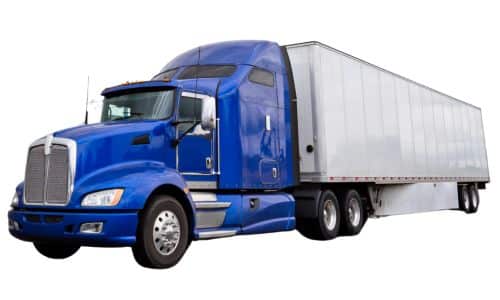
Tractor-Trailers
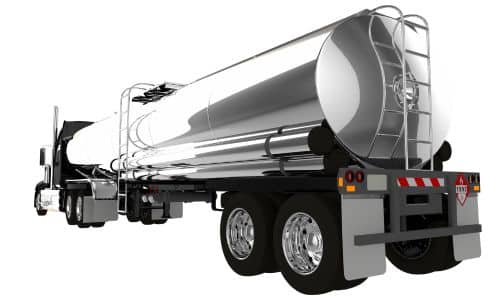
Chemical Tanker
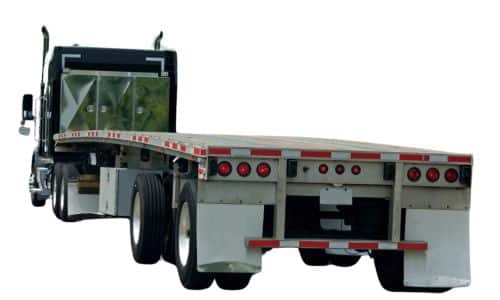
Flatbed Trailers
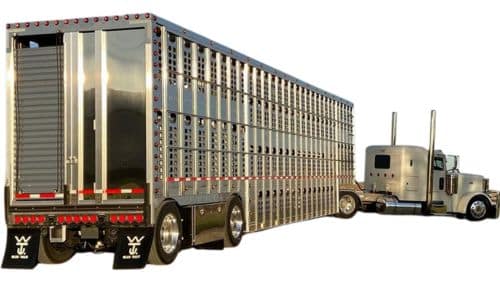
Livestock Carriers
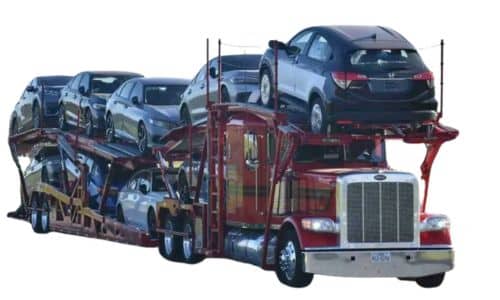
Car Transporters
Class A usually gives you the widest range of commercial driving options because a properly endorsed Class A CDL can also allow you to operate many vehicles that fall into lower CDL classes.
If your goal is tractor-trailer work, regional trucking, long-haul trucking, or having the widest range of potential CDL jobs, Class A is usually the license you’ll be looking at.
Learn more about Class A CDL.
Class B CDL
A Class B CDL generally covers a single vehicle with a GVWR of 26,001 pounds or more, or such a vehicle towing one that doesn’t exceed 10,000 pounds.
Common Class B Vehicle:
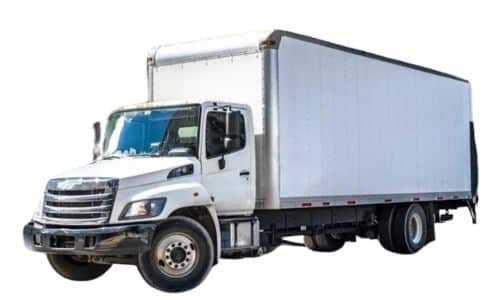
Box Truck
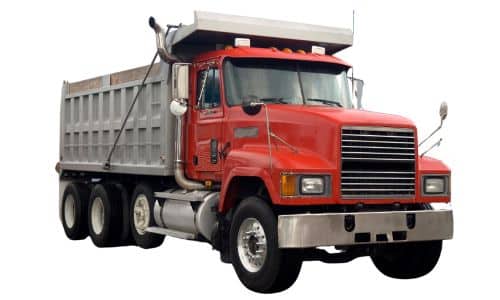
Dump Truck
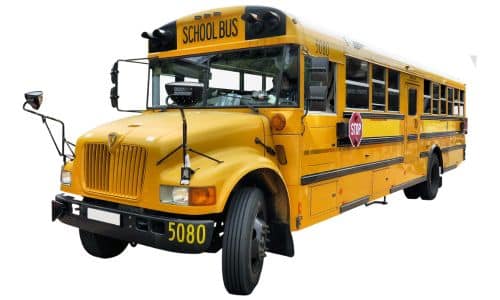
School Bus (S)
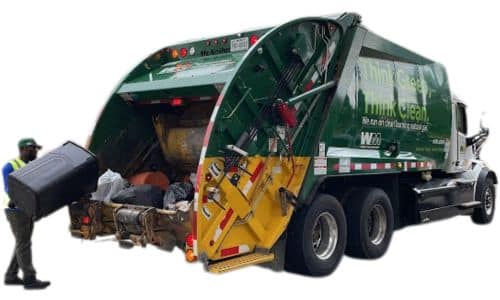
Garbage Truck
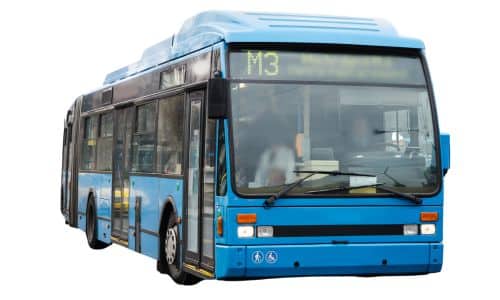
City Bus
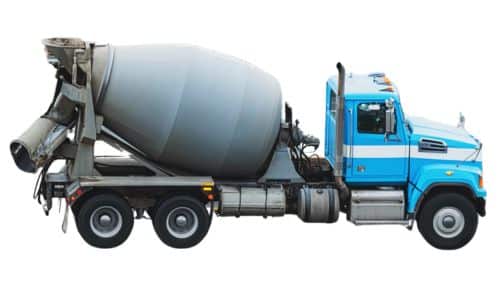
Cement Truck
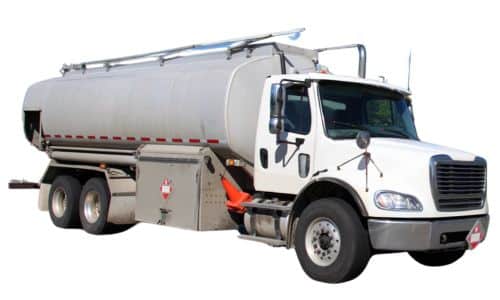
Tanker Truck
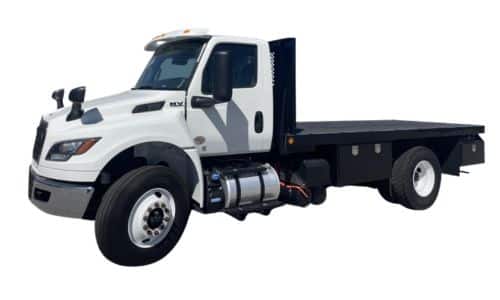
Flatbed
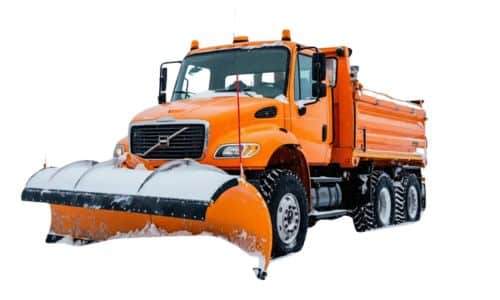
Snow Plow
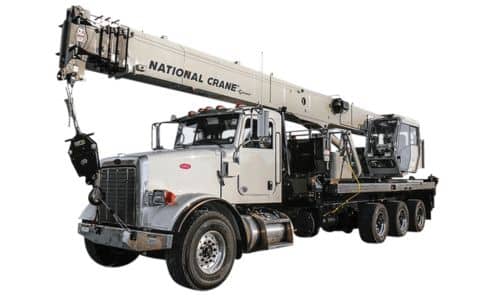
Crane
Florida CDL Requirements
Before applying, make sure you meet the basic Florida CDL requirements.
For a standard Florida CDL, you generally need to:
- Be a Florida resident
- Hold the required valid Florida driver license
- Be at least 18 years old
- Meet applicable medical requirements
- Pass the required CDL knowledge tests
- Complete applicable ELDT requirements
- Pass the CDL skills test
Florida’s official CDL manual states that you must be a Florida resident and at least 18 years old for intrastate commercial driving. Drivers generally must be at least 21 to operate in interstate commerce.
Immigration Status and CDL Eligibility (2026 Rule Change)
If you’re a U.S. citizen or a green card holder, nothing changes for you. If you’re in the U.S. on a temporary immigration status, a federal FMCSA rule that took effect on March 16, 2026 may affect you. Under the rule, non-domiciled CDLs and CLPs are limited to applicants with H-2A, H-2B, or E-2 status. An Employment Authorization Document (EAD) alone is no longer enough.
Not sure where you stand? Our 2026 CDL Rule Update: Immigrant Eligibility Checklist walks you through it step by step, including what documents you’ll need to bring.
If you have any question regarding your eligibly, feel free to reach out to our CDL advisor for free:
Steps To Get A CDL In Florida
Step 1: Get Your CLP (Pass The CDL Knowledge Tests)
Before you can practice driving a commercial vehicle with a learner’s permit, you need to pass the knowledge tests required for the CDL class and endorsements you’re pursuing.
The official Florida Commercial Driver License Manual should be your main reference. The knowledge tests includes the basic subjects and endorsements.
Basic Subjects:
| What it covers | # of Questions | CDL A Permit | CDL B Permit | |
|---|---|---|---|---|
| General Knowledge | Basic trucking concepts, safe driving & CDL regulations | 50 | ✔️ | ✔️ |
| Combination | Covers driving vehicles with a tractor-trailer combination | 20 | ✔️ | ❌ |
| Air Brakes | Focuses on vehicles equipped with air brakes | 25 | ✔️ | ✔️ |
CDL Endorsements
Commercial drivers who haul certain types of cargo or transport passengers needs to add “endorsements” to their Florida CDL license before they can operate those vihicles. Endorsements shows they have a specialized knowledge to operate these vehicles safely.
What Are The Endorsements You Can Get?
There are 6 truck driving endorsements that you can get on your license that allow you to legally transport different types of vehicles and cargo. They are:
| Endorsement | Purpose | Special Requirement | Knowledge Test |
|---|---|---|---|
| T - Double & Triple Trailer | Operation of qualifying double or triple trailer combinations where legal | Class A license is required | ✔️ |
| P - Passenger | Operation of vehicles designed to transport passengers | Requires Road Test in a bus or passenger vehicle | ✔️ |
| S - School Bus | Transporting children in a bus | Requires "P" endorsement, background check & Road Test in a school bus | ✔️ |
| N - Tanker Vehicle | Transporting liquids or gas in a tanker | Need to pass Knowledge Test | ✔️ |
| H - Hazardous Materials | Transporting hazardous materials |
Must be renewed every 4 years. Note: Florida Requirements | ✔️ |
| X - Combination Hazardous Materials & Tank Vehicles | Transporting hazardous materials in a tank | Earned automatically with both "H" & "N" Endorsements. |
Step 2: Complete Entry-Level Driver Training
You may have heard the term ELDT while researching how to get a CDL in Florida, but it isn’t always obvious what it actually means.
ELDT stands for Entry-Level Driver Training. It’s a federal training requirement created by the Federal Motor Carrier Safety Administration (FMCSA) to make sure new commercial drivers receive a basic, consistent level of training before they’re allowed to take certain CDL tests.
ELDT generally applies if you’re:
- Getting a Class A CDL for the first time
- Getting a Class B CDL for the first time
- Upgrading from a Class B CDL to a Class A CDL
- Getting a Passenger (P) endorsement for the first time
- Getting a School Bus (S) endorsement for the first time
- Getting a Hazardous Materials (H) endorsement for the first time
If you fall into one of these categories, you’ll need to complete the applicable ELDT requirements before Florida can allow you to take the required CDL skills test or, in the case of a first-time HazMat endorsement, the applicable knowledge test.
For most first-time Class A and Class B students, ELDT is divided into two main parts:
- Theory training
- Behind-the-wheel training
You need to successfully complete both portions before you can take the CDL skills test. The training must be provided by a school or other training provider listed on the FMCSA Training Provider Registry such as Driving Academy.
Theory Training
Theory training covers the knowledge you need to safely operate a commercial vehicle, including topics such as vehicle inspections, safe driving procedures, basic vehicle operation, hours of service, and other commercial-driving regulations.
Theory training can be completed through classroom instruction, online learning, computer-based training, demonstrations, or other approved instructional methods.
Behind-the-Wheel Training
Behind-the-wheel training is where you learn how to operate an actual commercial vehicle.
This training includes both yard or range training and public-road driving.
On the training yard, you’ll practice important CDL skills such as:
- Pre-trip inspections
- Straight-line backing
- Offset backing
- Turning and positioning
- Coupling and uncoupling for Class A vehicles
Once you’re comfortable controlling the vehicle on the yard, you’ll begin driving on public roads with an instructor. Road training can include turns, intersections, lane positioning, railroad crossings, highway driving, and operating safely in normal traffic.
Federal ELDT rules don’t require a specific number of behind-the-wheel training hours. Instead, your instructor must determine that you’re proficient in the required skills before your training is considered complete.
Step 3: Pass the Florida CDL Skills Test
After you’ve held your CLP for at least 14 days and completed any required ELDT, the next step is passing the Florida CDL skills test.
The skills test is designed to make sure you can safely inspect, control, and operate a commercial vehicle.
In Florida, it’s divided into three main parts:
Vehicle Inspection Test
The first part tests whether you understand how to inspect a commercial vehicle before driving.
You’ll be asked to identify and explain important vehicle components and show that you know what to look for when checking whether the truck is safe to operate.
This is why vehicle inspections are an important part of both your theory and hands-on CDL training.
Basic Vehicle Control Skills Test
Next, you’ll demonstrate your ability to control the commercial vehicle at low speeds.
This is where the yard training you completed earlier becomes especially important.
Depending on the test, you may be asked to perform maneuvers such as:
- Straight-line backing
- Offset backing
- Parallel parking
- Other controlled backing exercises
Florida’s CDL manual explains that the examiner can score things such as crossing exercise boundaries, excessive pull-ups, and your final vehicle position.
Road Test
The final portion takes place on public roads.
An examiner will ride with you and evaluate how safely you operate the commercial vehicle in normal traffic conditions.
You may be tested on skills such as:
- Left and right turns
- Intersections
- Lane positioning
- Railroad crossings
- Speed and space management
- Multi-lane roads
- Highway driving
- General traffic awareness
You must successfully pass the skills test before you can receive your Florida CDL.
The goal of your CDL training is to make these skills familiar before test day. The yard work prepares you for the vehicle-control portion, while your road training helps prepare you for the on-road test.
Step 4: Get Your Florida CDL
Once you’ve passed all three parts of the CDL skills test, you can complete the licensing process and receive your Florida Commercial Driver’s License.
Florida currently lists the fee for an initial CDL or CDL renewal at $75. Each additional endorsement costs $7 (additional $91 for Hazmat). Florida also lists a $10 fee for written re-examinations and a $20 fee for driving re-examinations.
Your final CDL may also include endorsements or restrictions based on the type of vehicle you tested in and the qualifications you completed.
For example, taking your skills test in an automatic-transmission commercial vehicle can result in an E restriction, which prevents you from operating a manual-transmission CMV. Testing without the appropriate air-brake equipment can also result in an air-brake restriction.
That’s why it’s important to think about the type of commercial vehicle you eventually want to drive before choosing the vehicle you’ll train and test in.
How Much Does CDL School Cost in Florida?
When comparing Florida CDL schools, don’t look at tuition alone. Ask exactly what the program includes as it could range from $3,000 to $10,000 to get your CDL.
A lower advertised price may not include the same amount of yard training, road training, testing preparation, or other services as another program.
You should also ask about available payment options. Depending on the school and your eligibility, options may include financing, employer-sponsored training, or qualifying workforce-development programs.
Keep in mind that CDL school tuition is separate from other expenses such as your DOT physical, Florida licensing fees, endorsements, and any applicable testing fees. Learn more about the CDL related fee here.
How Long Does It Take to Get a CDL in Florida?
How long it takes to get a CDL in Florida depends largely on your training schedule and how quickly you complete each part of the process.
You’ll need time to:
- Study for your CDL knowledge tests
- Get your Commercial Learner’s Permit
- Complete required ELDT
- Practice on the training yard and public roads
- Take your CDL skills test
You must also hold your CLP for at least 14 days before taking the CDL skills test.
For students training on a full-time schedule, the process can move much faster than it does for someone training only on nights or weekends.
At Driving Academy, some CDL training programs can be completed in as little as 4 weeks.
The best approach isn’t simply trying to finish as quickly as possible. You want enough time behind the wheel to become comfortable controlling the vehicle and prepare for all three portions of the CDL skills test.
FAQ For Getting A CDL In Florida
Possibly.
Florida has a CDL skills-test waiver process for qualifying current or former military personnel with experience operating military vehicles comparable to commercial vehicles.
The waiver applies to the skills test, not the required CDL knowledge tests. Eligibility also depends on your driving experience and other requirements.
If you complete your CDL skills test in a commercial vehicle with an automatic transmission, your CDL may receive an E restriction.
That restriction prevents you from operating commercial vehicles equipped with a manual transmission.
Absolutely! If you choose Driving Academy, we built the schedule around your needs. Many students here at Driving Academy train on weekend or evening so they can get their CDL without quitting their job.